The History of Secrets
Evolution of privacy from codes to cryptography
Why It Matters
Knowledge is Power
Protecting that knowledge, keeping it hidden from prying eyes is an expression and a preservation of that power. It's a constant battle.
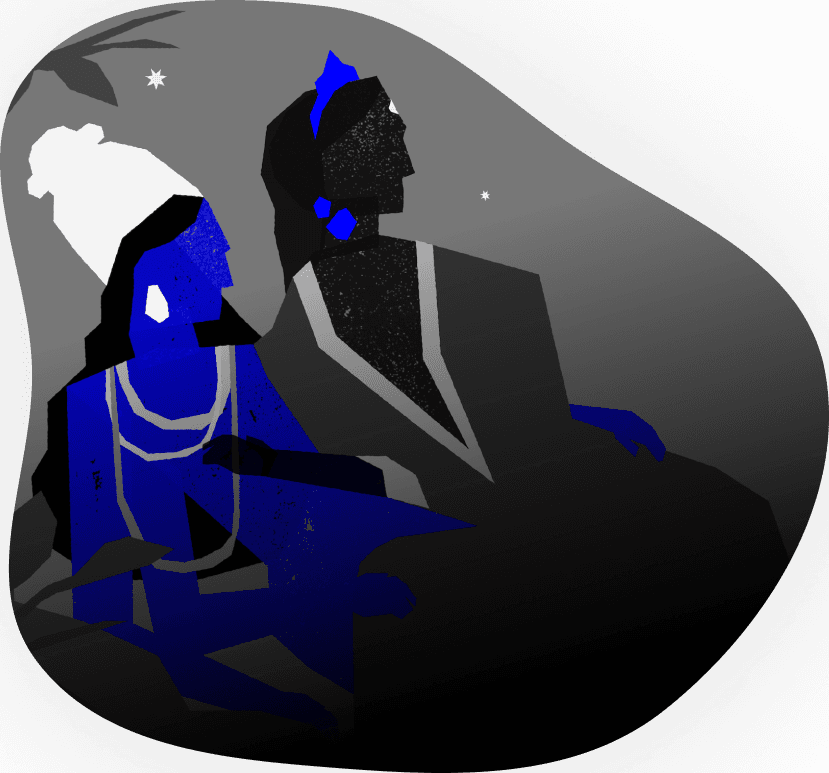
In The History of Secrets we'll learn how people have kept secrets hidden in stories of scandal, sex, war, and intrigue. We'll uncover the ingenious technologies humanity invented to keep its most valuable truths under wraps, and in doing so, see how this constant, clandestine battle has shaped our technology, our commerce, and our culture across the millennia.
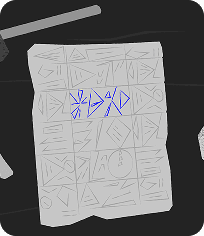
Ftq Tuefadk ar Eqodqfe ue ftq Tuefadk ar ftq Iadxp.
Set Caesar Cipher Wheel to A=M
The Journey
Milestones in Cryptography
01
Secret Ceramics Recipe
Ancient Mesopotamian potters guarded their glazing techniques, creating the earliest known trade secrets. Knowledge was power, even 4,000 years ago.
02
Spartan Scytale
The first military encryption device — a wooden rod that turned scrambled leather strips into battlefield orders. Simple, elegant, deadly effective.
03
Caesar Cipher
Julius Caesar shifted alphabets to protect communications. A technique so elegant it survived two millennia and still teaches encryption basics.
04
Kama Sutra Cipher
Beyond its famous content, the ancient Indian text contained sophisticated substitution ciphers — proof that privacy concerns transcend cultures.
05
Frequency Analysis
Frequency analysis, the foundation of all modern codebreaking, was invented over 1,000 years ago.
06
Polyalphabetic Cipher
The cipher disk demonstrates the increasing complexity of secrets codes and codebreaking.
07
Steganography
Sometimes the most important secrets are hiding right in front of your eyes.
08
Globalization
Increasingly interconnected global communication compounded the difficulty of keeping secrets in a more connected world.
09
The Mata Hari affair
Codes and codebreaking became part of celebrity gossip and transmitting a coded message could be a death sentence.
10
Colossus and computing
The race to decode wartime secrets resulted in the world's first programmable computer.
11
Encryption standards
Global communication networks require global standards to protect secrets.
12
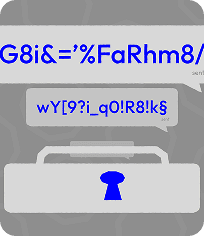
Hashing
Hashing solves the defining problem of the digital age by mathematically proving that data is authentic and unchanged.
13
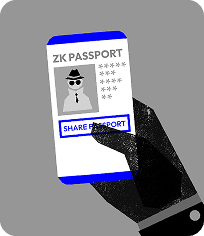
ZK Proofs
Zero Knowledge proofs allow you to digitally prove something is true without sharing the underlying information.
14
Post-quantum cryptography
Every innovation in cryptography unlocks as many new applications as there are secrets and people to share them.
The Future
From Ancient Secrets toModern Cryptography
The same drive that led Spartans to wrap leather around wood now powers blockchain protocols and privacy-preserving computation. The tools evolve. The mission remains: protect what matters.
About
Midnight Foundation